News
Looking back: Conflict Rivers Workshop
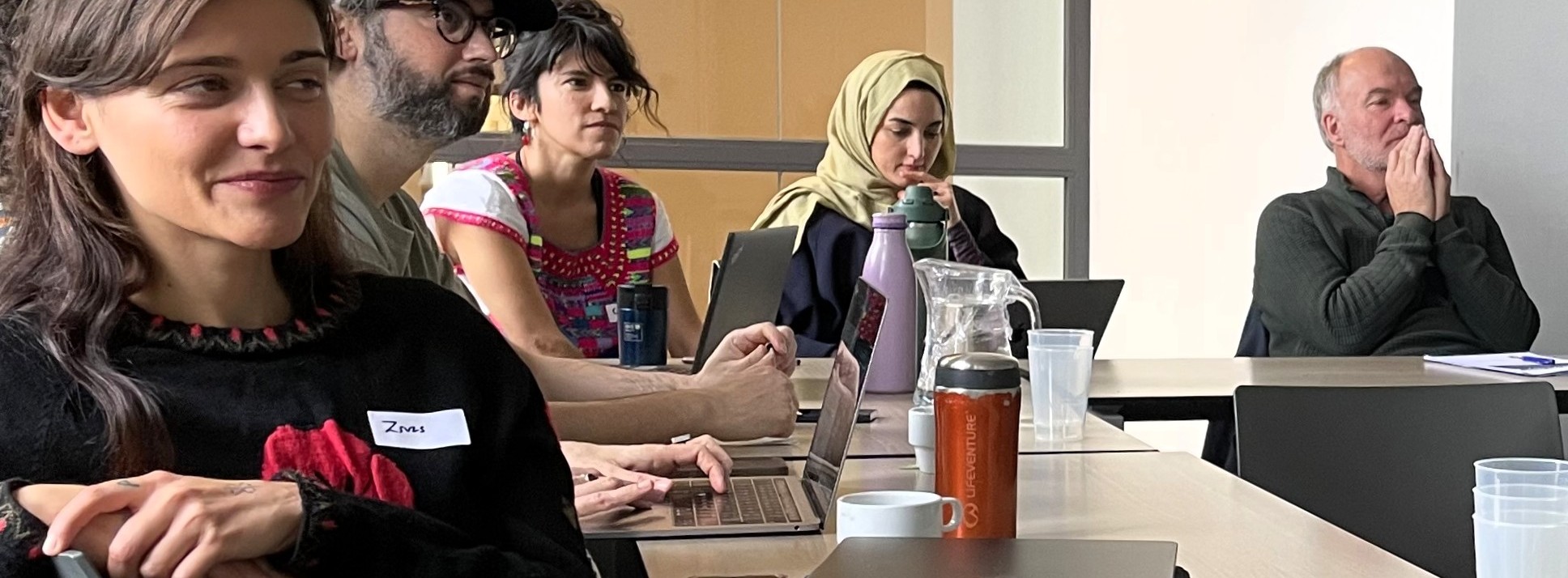
In October we brought together an extraordinary group of over 30 international researchers and practitioners for the workshop Conflict Rivers: Waterways and Ecological Devastation in Visual Cultures and Practice. Together, we explored rivers as sites of conflict between local communities and global finance, property, development, extraction, and exploitation.
Where rivers are constitutive features of the cultural imagination, the focus of innumerable artworks, literary texts, as well as knowledge and belief systems, their contestation is central to past, present, and future ecological devastation.
We traced the many entanglements between waterways and violence — from hydropolitics, colonial infrastructures, and legal regimes to digital mapping, memory, and multispecies ecologies. Presentations engaged rivers as sites of struggle and storytelling: from the Meuse and Wadi Gaza to the Cauca, Kariba, Maritsa, Clyde, Odra, and Dnipro. Speakers explored issues such as hydropower displacement, toxic militarisms, “digital twin” rivers, riverine victimhood, plantation ecologies, and aesthetic and activist interventions in watery worlds. It was amazing to see the diversity of methodologies and approaches — spanning law, anthropology, geography, film, art, and performance.
The evening event, River Practices, showcased artistic and activist engagements with rivers as living archives of struggle and solidarity. With moving presentations from the ZAKOLE Collective, A Chorus of Singing Rivers, and Ameneh Solati’s Traces in Continuum, the evening reminded us that rivers not only record histories of extraction and displacement but also sustain practices of resistance, care, and repair.

A huge thank you to everyone who contributed to these conversations — and especially to Ifor Duncan, who organised and curated the workshop with extraordinary care, creativity, and insight.
The event was organized in collaboration with the Water Cultures Community of the Network for Environmental Humanities, and Critical Pathways at Utrecht University.
Overview of the Workshop Sessions:
Thursday 30 October 2025
Session 1: Rivers and Violence – From Law to the Military Industrial Complex
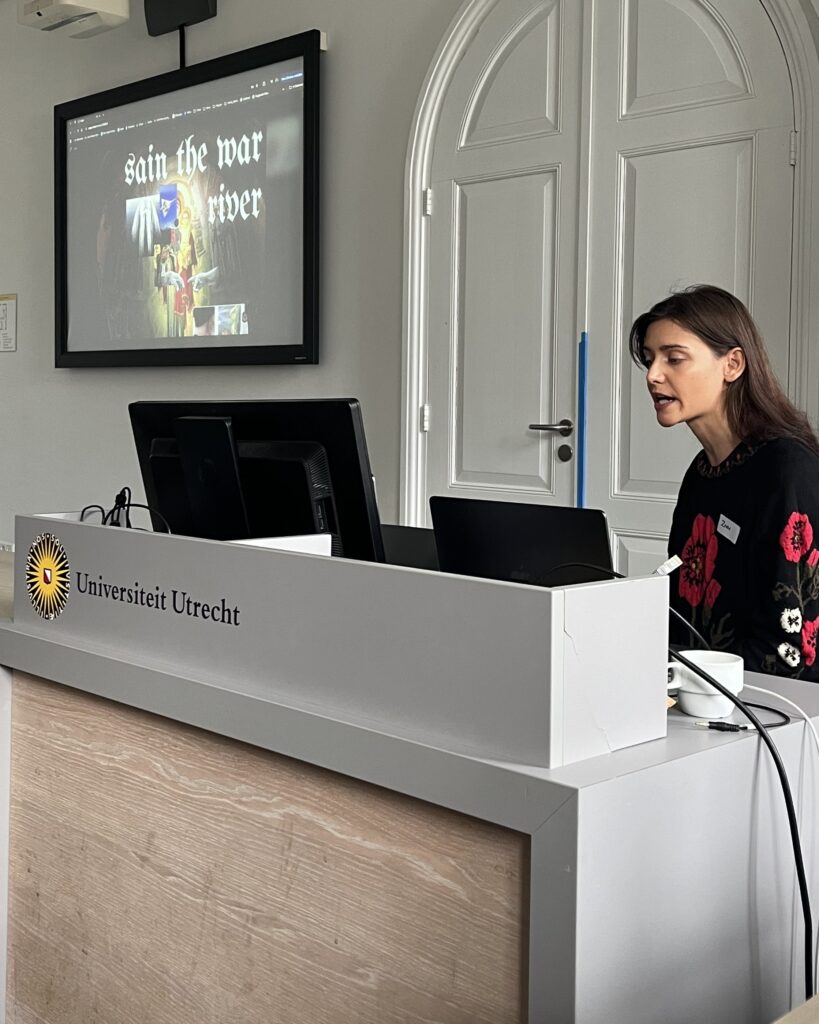
Zsuszana Ihar, ‘Sain the War-River’
Buhlebenkosi Dlodlo, ‘Liquid Violence: Hydro-politics, Hydro-imaginaries and Living Rivers in Selected South African Texts’
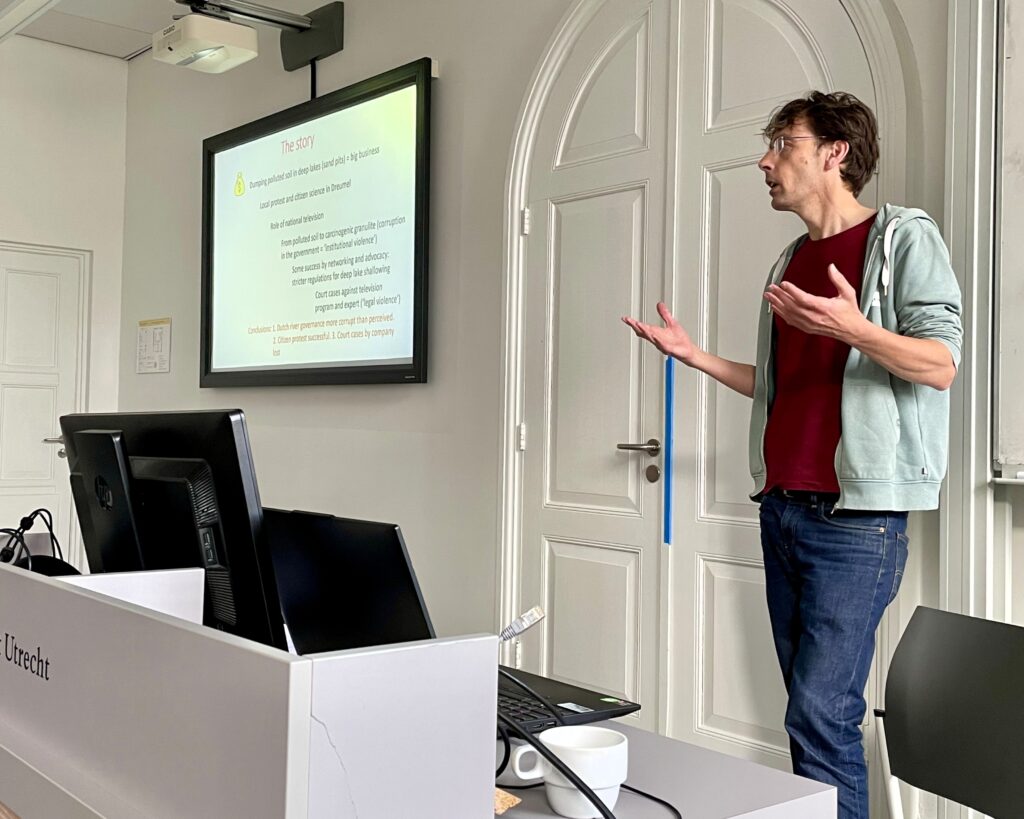
Jeroen Vos, ‘“They are mafia!”: Civil society struggle against institutional and legal violence in Meuse River waste dumping sites’
Session 2: Water, Memory & Genocide
Muna Dajani, ‘Thirst, Siege, and Return: Toxic Relations in Wadi Gaza’
Aya Bsesio, ‘Wadi Gaza river: a case of Israel’s destruction and control of water infrastructure’
Emilie Glazer, ‘Collectors of Rain: Palestinaian skies, erasure, and the retelling of ritual’
Session 3: River, Violence and Victimhood
Austin Zeiderman, ‘Hydrologies of Violence: Visualising Conflict in Colombia Beyond Land’
Oscar Pedraza, ‘Investigation into the hydrological impacts of coal mining in La Guajira, Colombia’
Ifor Duncan, ‘Conceptualising Ecocide, the Hidroituango Megadam, and the declaration of the Cauca River as a Victim of Political Violence in Colombia’
Session 4: Digital Rivers
Lieke Melsen & Rutgerd Boelens, ‘Digital Twins Rivers, Moral Schizophrenia and Epistemic Violence. How reductionist siblings inform powerful illusions of techno-controlled river matter-realities’
Miriam Matthiessen, ‘Taking the River Out of the Riverbed: Automated Navigation and the Digital Re-Embodiment of Shipping Labour’
Thursday Evening:
River Practices was an evening event showcasing different forms of artistic, activist, and spatial practices engaged with rivers, waterbodies, and environmental justice.
With presentations by the Polish artist-activists ZAKOLE Collective (Zuzanna Derlacz, Krystyna Jędrzejewska-Szmek, Olga Roszkowska); A Chorus of Singing Rivers, a collaborative sound installation that emerged from doctoral research conducted by Carolina Cuevas Parra, Laura Giraldo-Martínez, and Catalina Rey-Hernández within the Riverhood and River Commons projects at Wageningen University; and Traces in Continuum, a performance lecture by artist-researcher and architect Ameneh Solati about her film installation Traces of Ten Villages (1985–2025) focusing on the wetlands in Southern Iraq.
Friday 31 October 2025
Session 1: Rivers, Resistance and Memory
Merve Bedir, ‘Uncommon River: Concurring Memories and Boundaries of Immanence along Maritsa River’
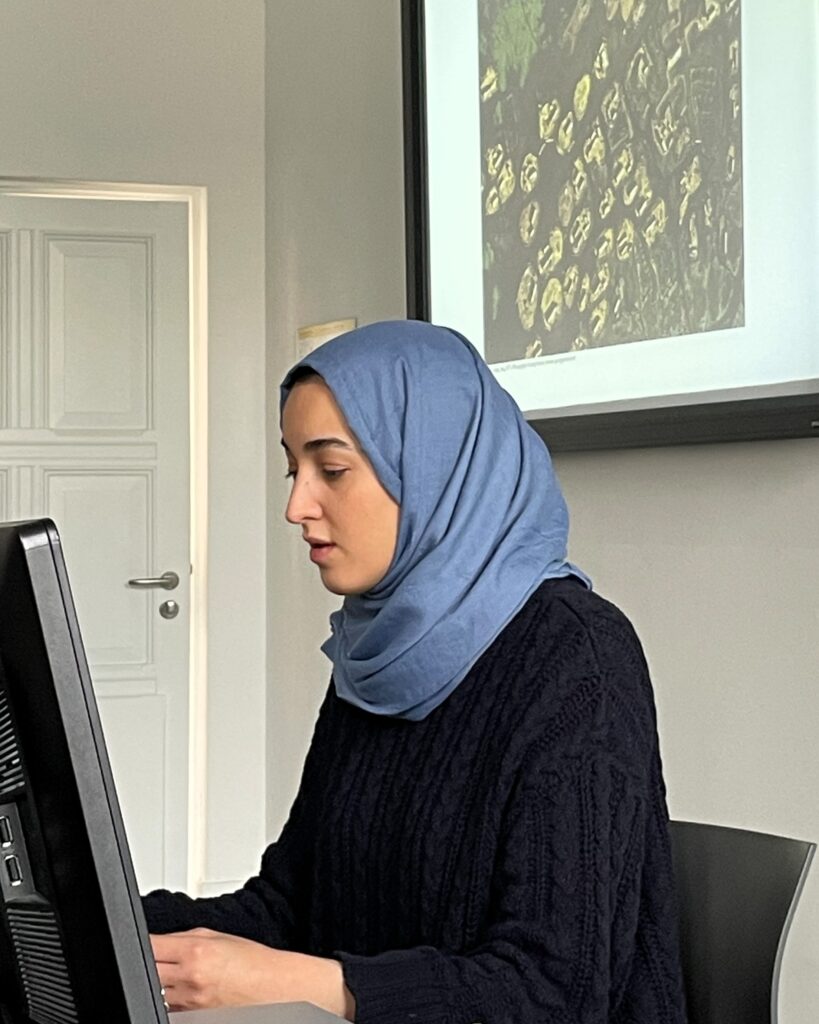
Ameneh Solati, ‘Wetlands beyond water’
Luck Makuyana, ‘Hydro-modernity and the Colonial Legacy of Dam Building in Southern Africa: The Politics of Kariba Dam in Relation to Local Knowledge and Interests of Tonga People’
Session 2: Rivers and Plantations
Avi Varma, ‘Geometries of Hunger’
Marten Dondorp, ‘Seeing from the River: Riparian plantations, legal aesthetics, and logistical involution’
Hope Pearl Strickland, ‘a river holds a perfect memory: moving image research in relation to contested river-use in rural Jamaica’
Session 3: River Practices
Daina Pupkevičiūtė, ‘A song about the Dnipro’
Laura Giraldo & Carolina Cuevas Parra, ‘Chorus of Singing Rivers’
Bogna Bochinska, ‘Portrait of the Odra’
Zakole
Session 4: River Memory
Veronika Varga, ‘Holtág – Fluvial Afterlives’
Kseniia Bespalova, ‘Fabulating With a River: Matter and Memory in Artists’ Film from Central Asia’