News
Salomé Lopes Coelho at the Serra da Estrela International Environmental Film Festival CineEco Seia 2025 and Critical Zones meeting in Covas do Barroso
Salomé Lopes Coelho recently conducted fieldwork in Portugal as part of her ongoing research project on cinematic memory and ecological responsibility in extractive zones. The trip comprised two key components: participation in CineEco – International Environmental Film Festival of Serra da Estrela (Seia) and field visits to Covas do Barroso during the Critical Zones meeting (18–21 October).
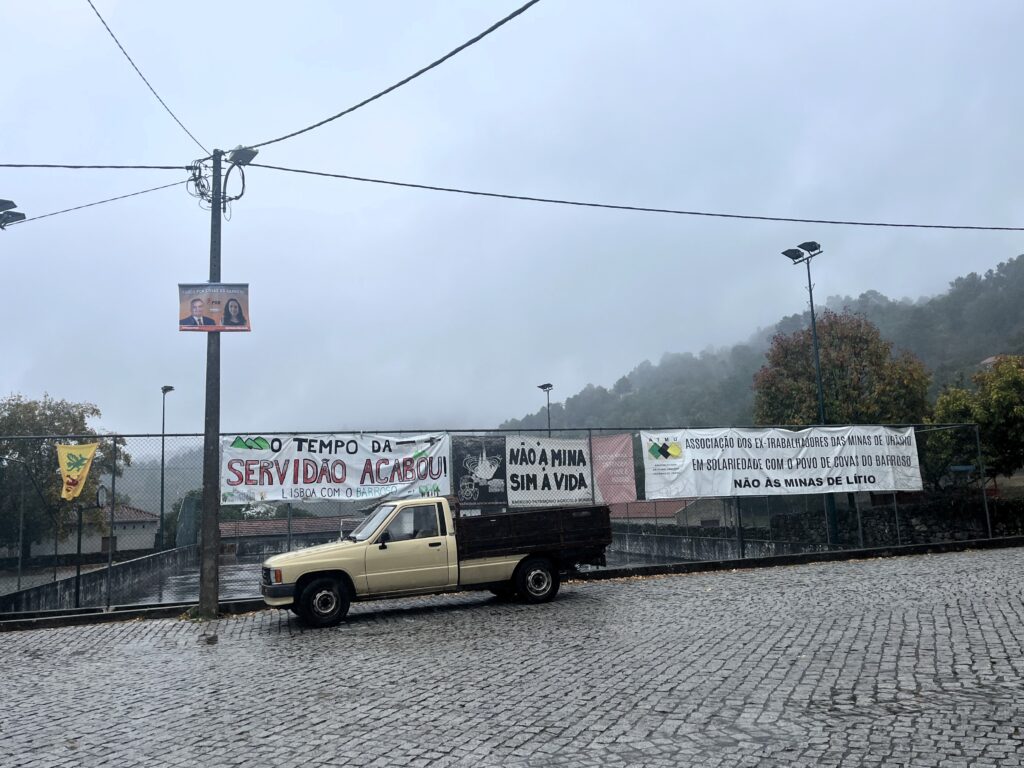
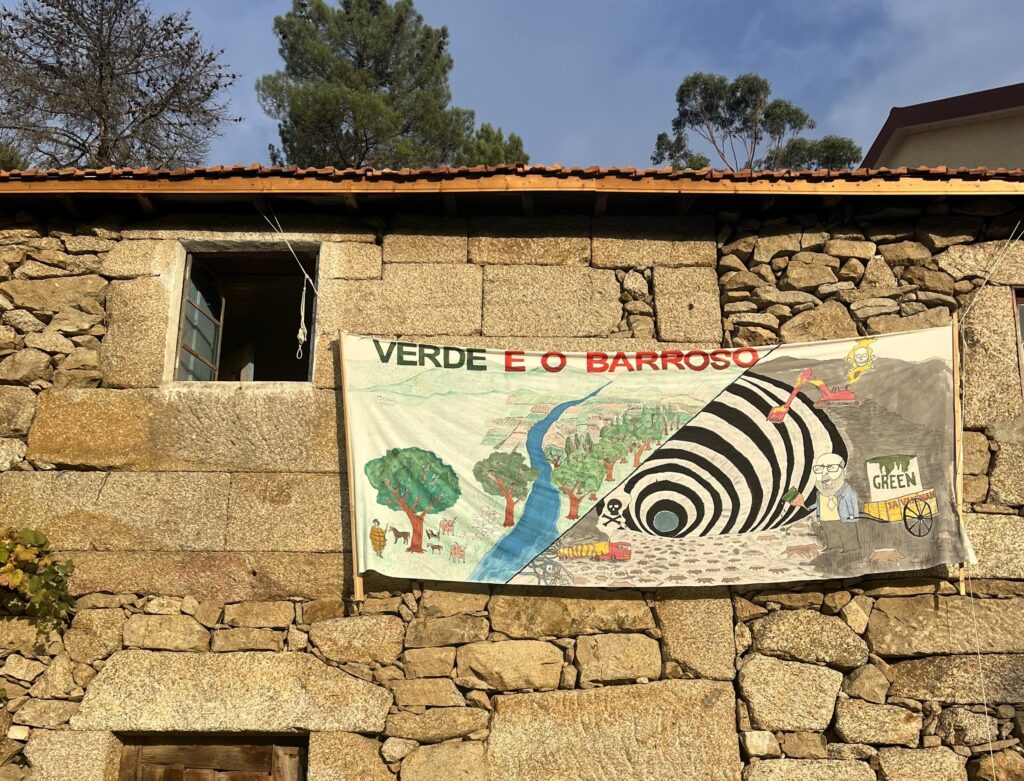
The fieldwork represents a central phase of the project’s first case study, which examines Portugal’s emerging lithium frontier as an extractive zone and its cultural figurations in cinema. It explores how environmental film festivals function as ecocritical dispositifs, shaping cultural understandings of “environmental cinema” through curatorial choices, programming strategies, and institutional discourses.
During CineEco 2025, Salomé conducted interviews with members of the festival’s organising team, programmers, and jury. The discussions addressed the festival’s history, its evolving ecological focus, and the curatorial rationales behind its competitive and thematic sections. Participatory observation included attendance at film screenings, debates, and side events.
The second site visit, to Covas do Barroso, took place mostly during the Critical Zones meeting, organised as part of a transnational network linking environmental movements primarily from Europe. The programme combined community-based activities such as guided hikes and workshops with NGOs and CSOs, as well as a film screening and debate with the director of Scars of Growth (Boticas Municipal Auditorium), addressing the socio-environmental impacts of mining projects in Europe.
In Covas do Barroso, Salomé also conducted interviews with members of the film crews of the works under study. These conversations focused on participatory modes of storytelling, the ethics of representation, and the articulation of resistance through cinematic and performative practices. She visited the sites depicted in the films and engaged in informal dialogues with community members involved in the resistance to the lithium project, gathering valuable material for the analysis of cinema as a medium of ecological memory and testimony.
This fieldwork enabled the integration of multi-sited perspectives on environmental representation, connecting festival discourse with situated practices of resistance.